“first grade” search results (6000)

The initial processing technology of coffee in Yunnan requires Arabica to grow coffee beans.
Technical requirements for the initial processing of small seed (Arabica seed) Coffee 1. There are two processing methods for coffee beans made from fresh coffee fruits, namely wet processing and dry processing. The first and second grade fruits are processed by wet method, and the third grade fruits are processed by dry method in areas without peeling machine and lack of water. 2. Processing technology 2.1 equipment and facilities should be equipped with fresh fruit collection pool and siphon
2015-03-20 Yunnan coffee primary processing technology requirements rabbi card coffee beans
Basic knowledge of Fine Coffee Classification and Classification of Coffee beans
Coffee beans are graded first by size and then by density. With two exceptions, all coffee beans have a considerable size and the same proportion, with flat on one side and semi-oval on the other. The special cases are pea-shaped coffee beans that tend to be more oval in shape and giant coffee beans with large particles (that is, Marragol peel coffee beans). The prices of these two kinds of coffee beans are always higher.
2015-01-19 Boutique coffee basics common sense coffee beans grading classification press first big
Analysis on the Design steps of salary system for Coffee Shop employees
Coffee shop employee compensation system design step analysis ①, job analysis, is a systematic process to determine the knowledge, skills and responsibilities that coffee shop employees need to complete various tasks; ②, job value evaluation, a, the purpose is to compare the relative importance of each position within the coffee shop and get the job grade sequence; to establish a unified job evaluation standard for external salary survey. B, there are many ways
2015-10-20 Coffee shop employee compensation system design steps analysis coffee shop salary
Introduction to the grades of coffee trees in Ethiopia
Grade of Ethiopian coffee: Ethiopian washed coffee Yega Chuefei G1 G2 Sidamo (Yirgacheffe, Sidamo) has the highest grades 2 and 3 (G2, G3), while sun-processed coffee in eastern Ethiopia is mostly grade 4 or 5 (G4, G5). In many cases, level 4 coffee is marked as level 5 in order to reduce taxes. At present, the classification is not uniform and there are
2016-06-03 Ethiopia Coffee Grade introduction
How to select high quality coffee beans
In fact, at present, there is no unified classification in the coffee industry, and each country of production is divided into different levels. For example, Brazil sets NO.2 as the highest level and Jamaica sets NO.1 as the highest level.
2014-07-10 Coffee knowledge selection of coffee beans coffee encyclopedia
Introduction to the category and grade flavor of Kenyan coffee beans
Kenya is located in the south of Ethiopia and Yemen, only hundreds of kilometers away from the two world-famous coffee producers. The vast majority of Kenyan coffee trees grow in the mountains north and west of the capital Nairobi, and there are two main producing areas: first, the southern slope of Kirinaga, Kenya's highest peak, extends southward to near the capital Nairobi, which is close to the equator. Kenny.
2016-06-06 Kenya coffee beans category grade flavor introduction located in Ethiopia
Bean appearance and grading of Ethiopian coffee
Ethiopian beans are easily recognizable, mostly small and pointed long beans, known as [long berry], and often mixed with small oval-shaped short beans, known as [short berry], appear to be uneven in size and appearance.
2014-08-18 Coffee knowledge Ethiopian coffee coffee bean grading
Kenya Coffee Bean Flavor description Grinding degree introduction to the characteristics of fine coffee beans
The Kenyan government takes the coffee industry very seriously, where it is illegal to cut down or destroy coffee trees. Kenyan coffee buyers are world-class high-quality coffee buyers, and no other country can grow, produce and sell coffee on a continuous basis like Kenya. All the coffee beans were first acquired by the Kenya Coffee Commission (CoffeeBoardofKenya, CBK).
2016-10-20 Kenya coffee beans flavor description grinding variety taste boutique characteristics introduction
Introduction to the flavor and taste of Ethiopian Sidamo Shachiso Coffee with a strong floral flavor.
In July 1991, EGF hosted a national conference with the participation of more than 20 political and ethnic organizations. The meeting adopted the Transitional Charter and elected an 87-member House of Representatives, with EGF Chairman Meles Zenawi as President of the Transitional Government and President of the House of Representatives. A transitional government was established. On May 24, 1993, Eritrea (formerly the province of Eritrea, Ethiopia) adopted
2016-09-06 Entrance full-bodied fragrant Ethiopia Dharma Shakiso coffee producing area flavor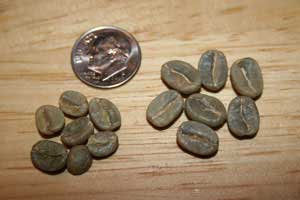
Knowledge points of Coffee Raw Bean: the concept of Fine Coffee Specialty Coffee (1)
The traditional classification of coffee beans is usually based on the classification criteria defined by the coffee producing countries, and then agreed to become common in the international market and traded under such a tacit understanding. For a long time, coffee producing countries have their own classification and evaluation criteria for coffee, which serve as the pricing guidelines in the coffee market. But slowly in recent years, coffee consuming countries have begun to demand unified evaluation criteria.
2015-12-18 Coffee raw beans knowledge essentials boutique Specialty Coffe
Introduction to the kinds of Coffee Sugar
White granulated sugar, also known as sucrose, is a granular crystal and is the basic raw material for sugar production. According to the size of the crystal, there are three kinds of sugar: coarse sand, medium sand and fine sand, all of which are made from sugar cane or sugar beet. It is characterized by high purity, low moisture and few impurities. The content of domestic granulated sugar is more than 99.45% and the moisture content is less than 0.12%. According to the standard, it is divided into three types: excellent grade, first grade and second grade.
2015-08-26 Coffee sugar type introduction white granulated sugar called sucrose granulated crystal
Ethiopia coffee beans washed Yega Xuefei grade characteristics introduction flavor taste description
General coffee varieties are named after their origin, while boutique coffee is more accurate in traceability. The name can be explained as: this kind of coffee is grown in Ethiopia, Yega, where it is grown, washed in Kochel's processing plant, and graded as the first grade of coffee beans (hand-picked, defective beans).
2022-06-28 Sweet flavor Yega Sheffield coffee beans introduction boutique coffee general
Is the growth environment of coffee trees high?
Coffee bars that produce low-grade coffee beans like to use labor-saving methods to buy beans, but in this way, because the quality is not good, it reduces the taste of coffee and lowers the grade of coffee. The way to pick up coffee beans in some parts of Africa is to shake the coffee, drop the fruit to the ground and lift it on the ground before the fruit is actually eaten. Most regions of Brazil produce sub-grade coffee, and these regions produce coffee.
2016-05-26 Coffee growth bad environment high production low-grade coffee beans coffee Nongxi use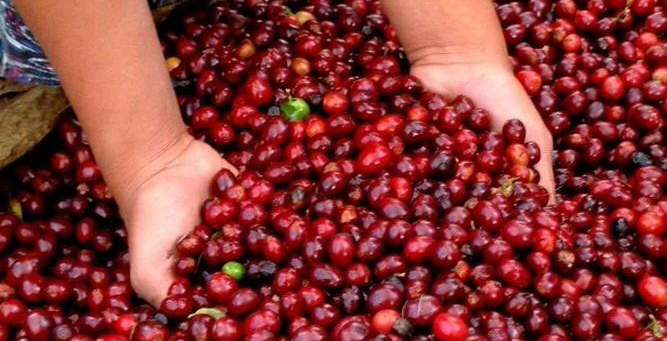
Coffee Xiaobai classroom, how much do you know about coffee beans?
The history of coffee beans first tell you the historical story of coffee beans. Legend has it that around the tenth century AD, on the Ethiopian plateau of Africa, a shepherd Carl found sheep excited after eating some kind of red fruit. As a result, Carl distributed this incredible red fruit to the locals, and its magical effect spread. Picture: coffee tree
2015-10-06 Coffee rookie class coffee beans you know how much
Introduction to the kinds of Coffee Sugar
White granulated sugar, also known as sucrose, is a granular crystal and is the basic raw material for sugar production. According to the size of the crystal, there are three kinds of sugar: coarse sand, medium sand and fine sand, all of which are made from sugar cane or sugar beet. It is characterized by high purity, low moisture and few impurities. The content of domestic granulated sugar is more than 99.45% and the moisture content is less than 0.12%. According to the standard, it is divided into three types: excellent grade, first grade and second grade.
2015-05-23 Coffee added sugar type with sugar introduction white granulated sugar called sucrose granulated
Yega Xuefei G1 | Flavor of Ethiopian Sidamo region _ Yega Coffee Bean Classification
Although the Ethiopian Yirgacheffe coffee is petite, it is gentle and delicate and sweet. As the hometown of coffee, thousands of years of planting history and processing tradition in Ethiopia have created high-quality washed Arabica beans. Light baking has unique lemon, floral and honey flavors.
2021-10-17 Yega Sheffield Ethiopia Yirgacheffe
Common sense of graded coffee to distinguish between coffee beans and coffee beans
● distinguishes the key names and specifications of coffee beans the name of the port of export of ● can tell the shipping route from the name of the port of exit marked. Coffee from the same origin or the same brand has a certain route, so it is also exported from the same port. For example, if it is marked as "Brazil. Santos", it means that this is coffee exported from Santos, but the one marked "Mocha" is taken as an example.
2015-04-15 Distinguish coffee beans and grading coffee common sense discrimination essentials names
Kenya Coffee Grade Planning
Bean type filter number code caffeine bean size flat bean 20-29 large 18 large 17 quasi-big 16 ordinary 15 medium 14 small 13-12 super small round bean 13-12 large 11 quasi-large 10 ordinary 9 medium 8 small table one graded by filter number and coffee bean size D. Graded by elevation (see Table 2) according to the elevation of the cultivated land, it can be divided into three, four, seven and so on.
2016-05-31 Kenya Coffee Grade Planning Ping Dou 20-29 extra large quasi-large ordinary
Fine coffee beans: teach you to distinguish coffee beans and coffee beans graded coffee basics
● Key to distinguish the name and specification of coffee beans ● Export port name From the indicated export port name, you can know the route of transportation. Coffee of the same origin or brand has a certain route, so it is also exported from the same port. For example, if the label is "Brazil." Santos "means it's coffee coming out of Santos, except when it's marked mocha.
2015-12-15 boutique coffee beans teach you distinguish and grade coffee primer basics
How are coffee beans classified according to the proportion of sieve and defective beans?
The classification of defective beans according to the proportion of sieve and defective beans is an important factor to destroy the flavor of the final coffee. Therefore, defective beans should also be removed in the last step of raw bean processing. Therefore, according to the proportion of defective beans, supplemented by the size of the screen is also used as a way of classification. Due to the rise of boutique coffee, coffee producing countries pay more and more attention to the quality of coffee, and the control of defective beans is the most important way.
2016-05-16 Screen defect proportion grading coffee bean how classification screen